
Project Supra
We’re building a full GT widebody kit for the Toyota GR Supra (A90 / A91). Follow it from the first design sketch to finished parts, one step at a time.
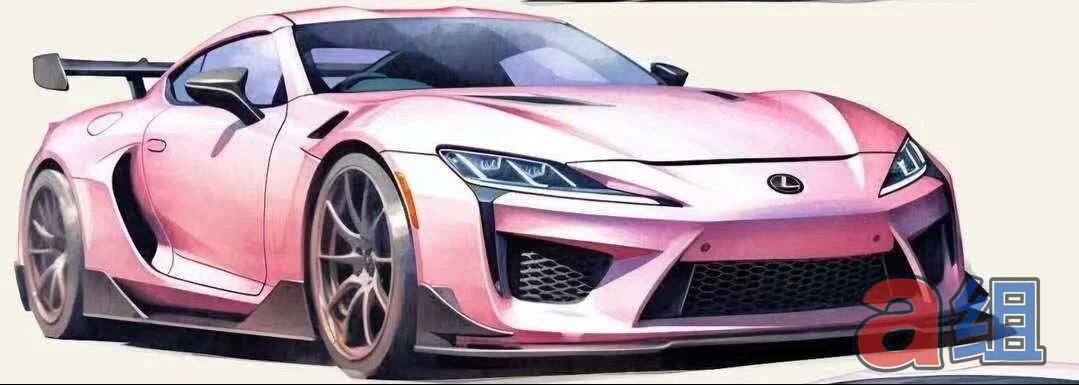
Above: the original design sketch. Images on this page are concept renders. Final parts may look different.
The original design
It started as a design sketch: a GT-style Supra with wide fenders, deep side intakes, a reworked rear end and a big GT wing.
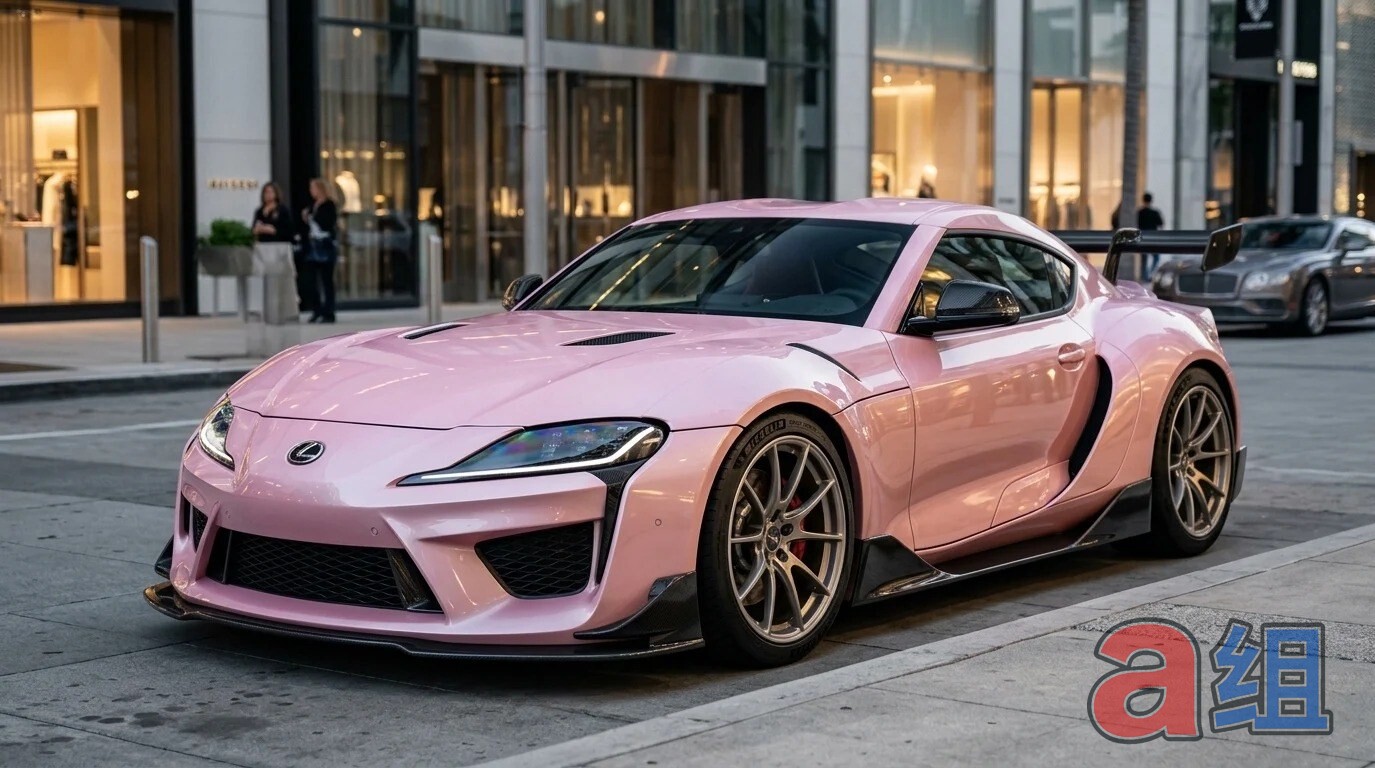
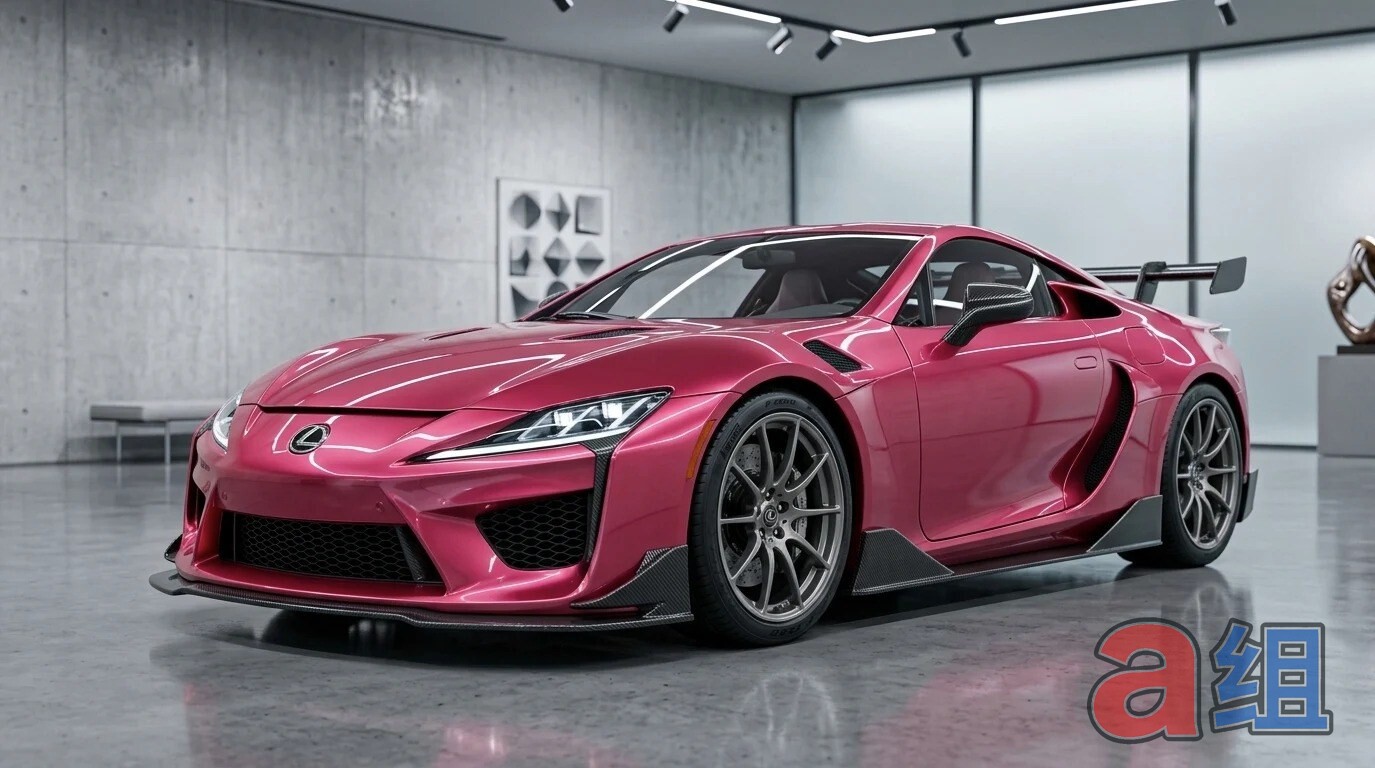
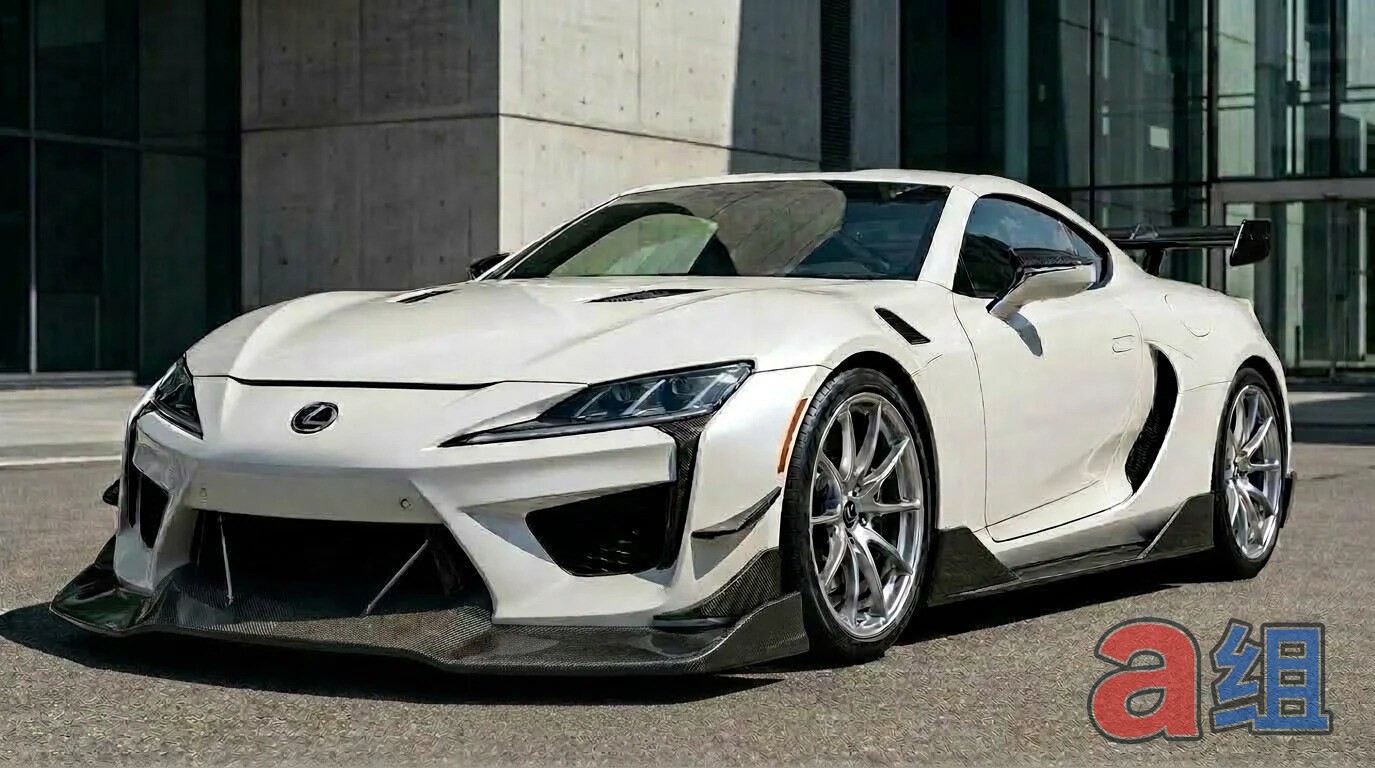
Where it started
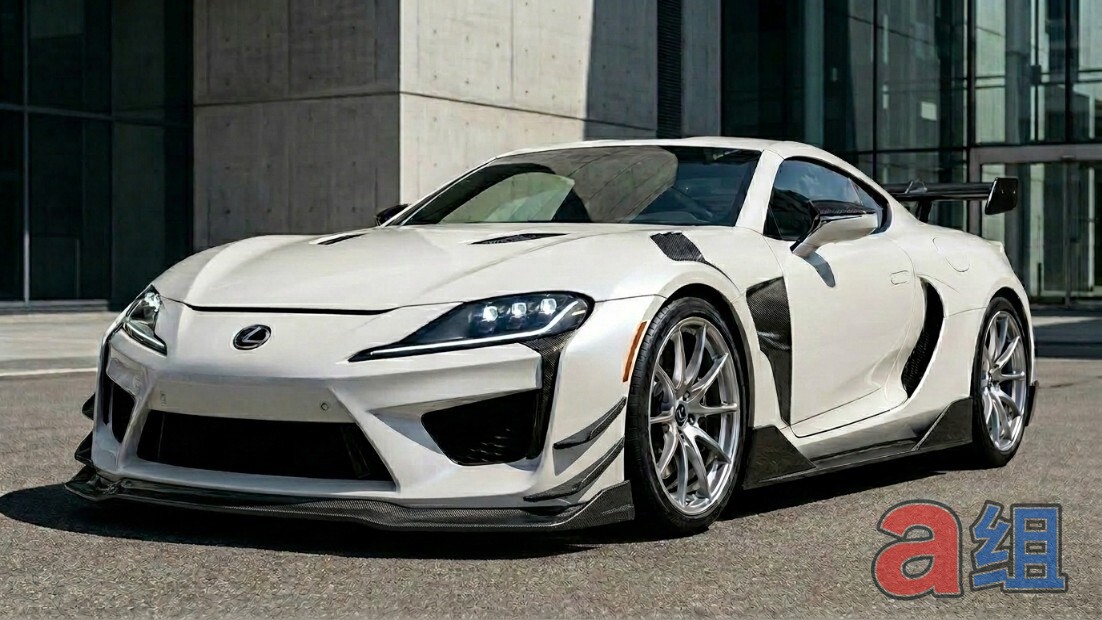
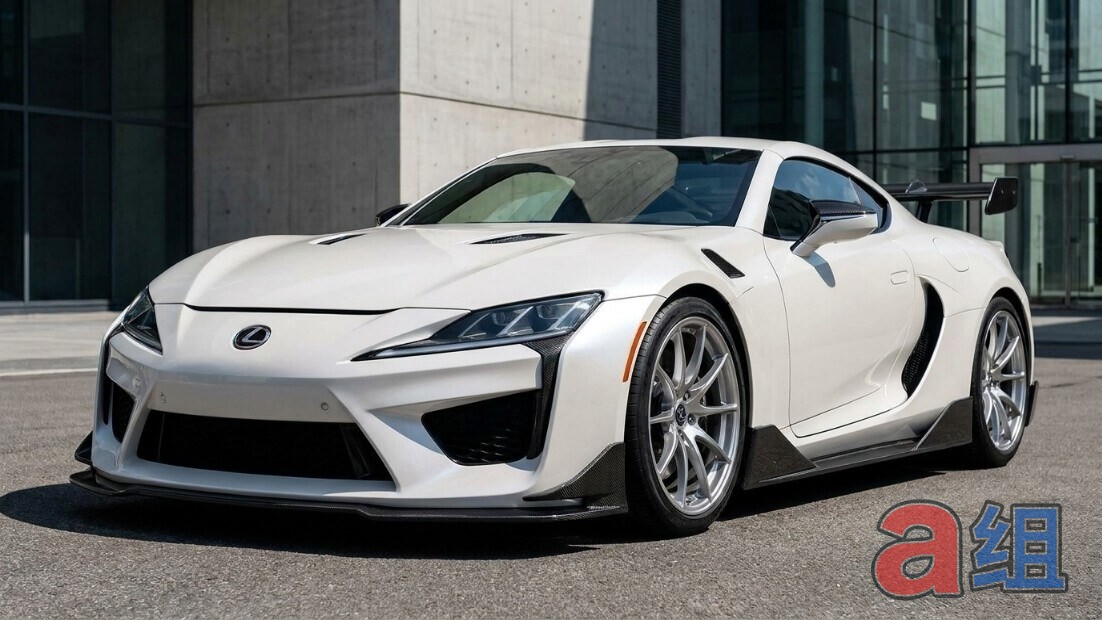
The first take was a white A90 with a new front bumper with big corner intakes, carbon canards and a front lip, fender vents, side skirts and a ducktail wing. Drag the slider to compare it to the stock-bodied car.
From picture to 3D
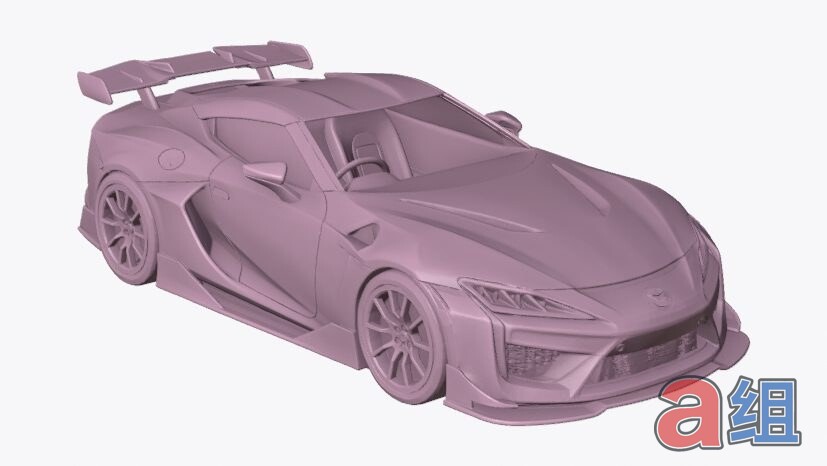
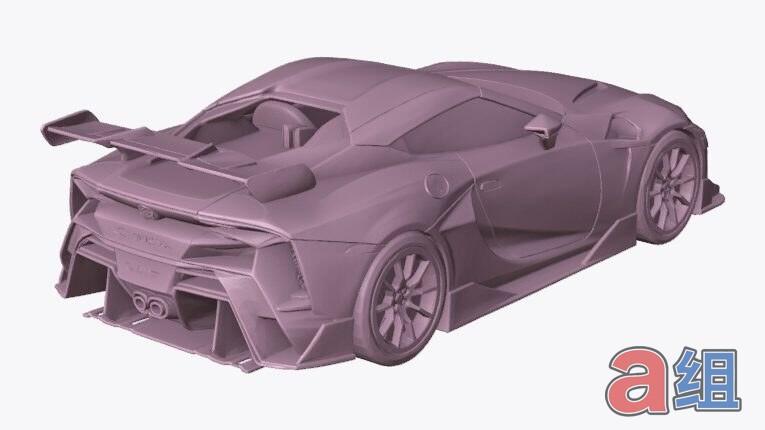
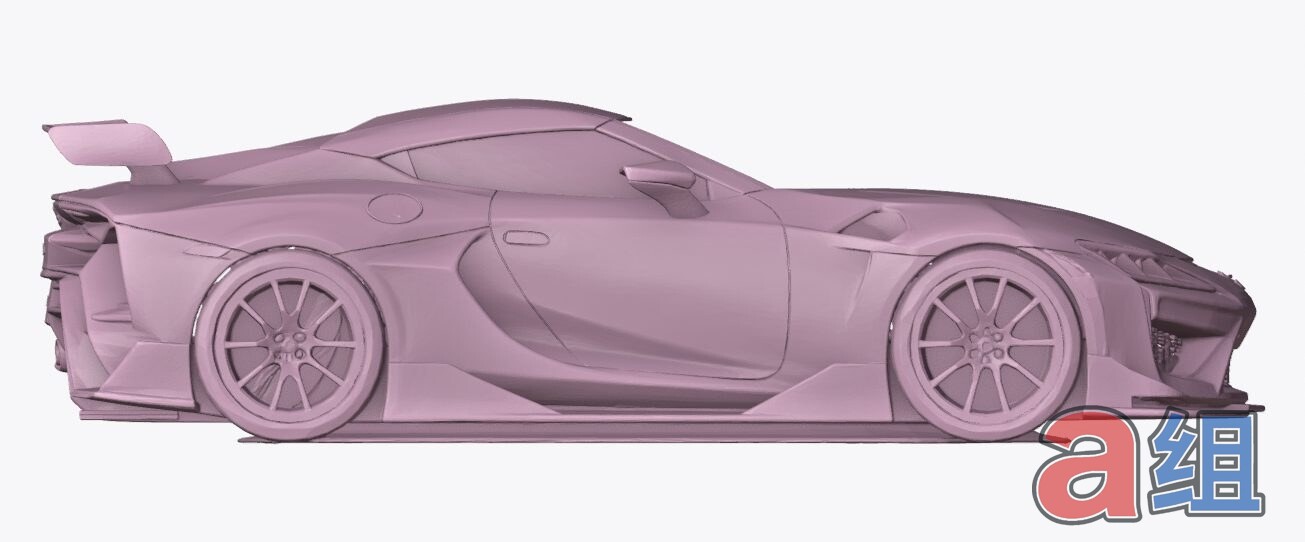
You can’t take measurements from a picture, so we turned the render into a full 3D model. The render only showed the front of the car, so we designed the rear ourselves.
Measured against a stock Supra
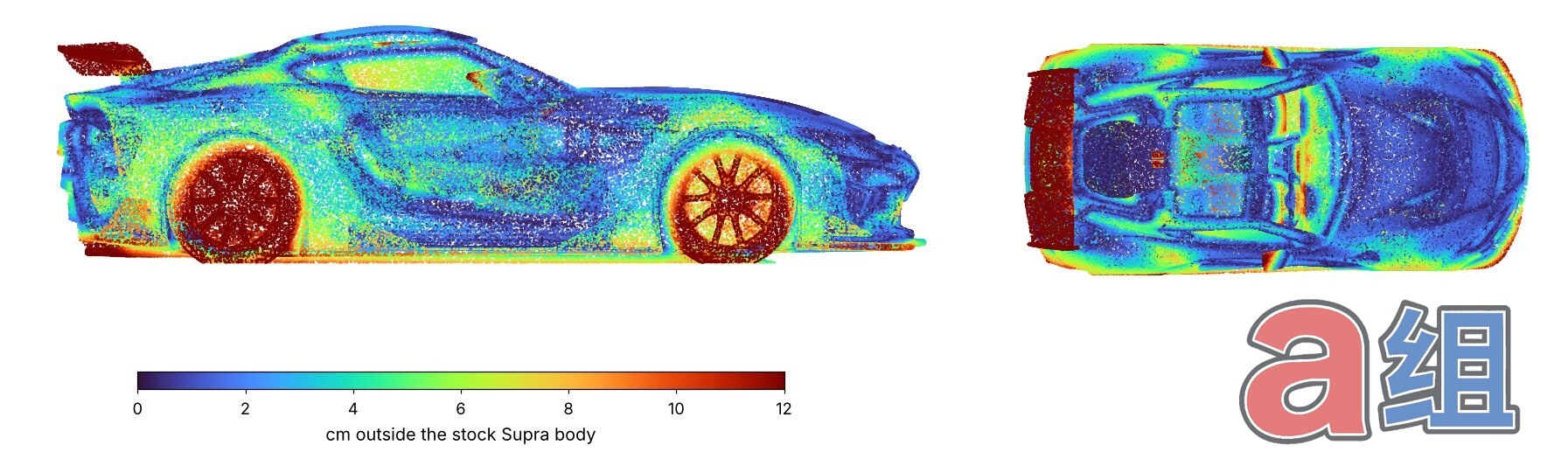
We scaled the concept onto a full-size A90 model. Length, width and height line up within about 2 cm, so the concept really is a Supra underneath. Then we measured every point of the concept against the stock body. Blue is the same as stock. Red is new material, and that’s the kit.
- +4.5 cmFront fenders, per side
- +7 cmRear fenders, per side
- +4–5 cmSide skirts, per side
- 1.55 mGT wing span
- 36 cmWing chord
- StockDoors, roof and glass
Kit parts on a stock body
First pass: we cut the aero parts off the 3D model and mounted them on a stock-bodied Supra, with wider wheels to fill the arches.
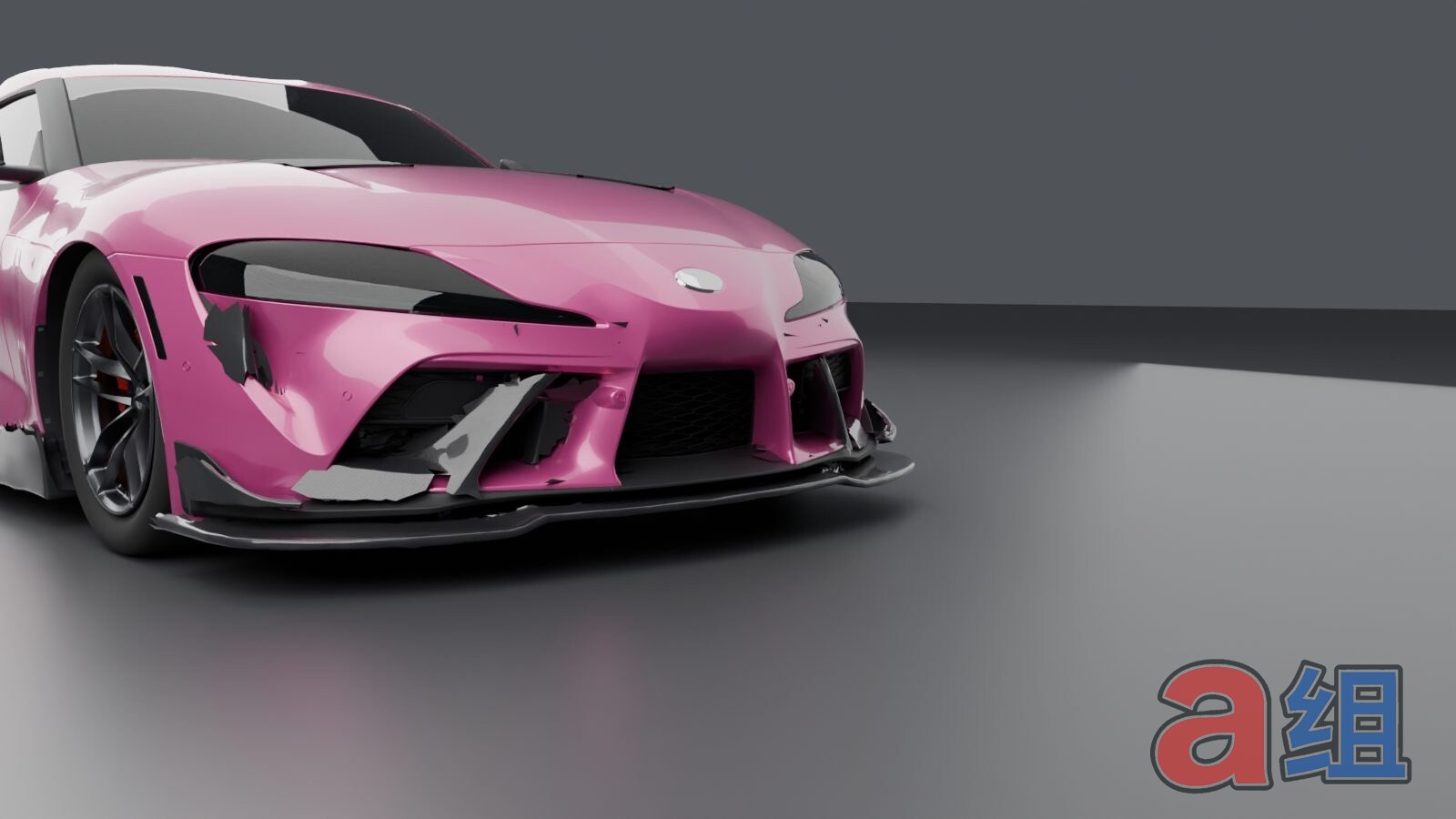
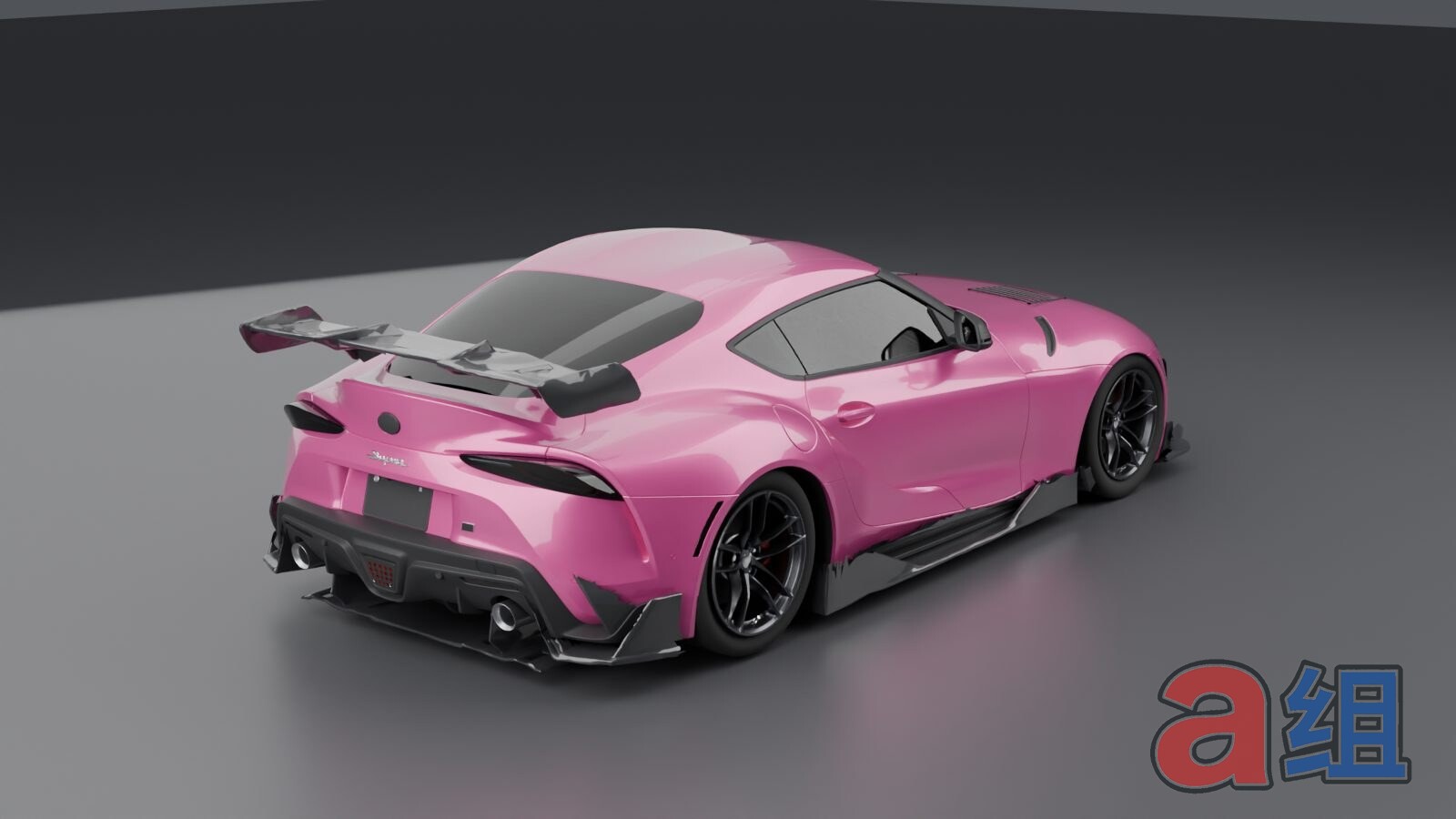
- Front splitter with wrap-around lip Carbon
- Corner canards Carbon
- Side skirts Carbon
- Rear diffuser with fins Carbon
- GT wing with deck-mount stands Carbon
The whole widebody
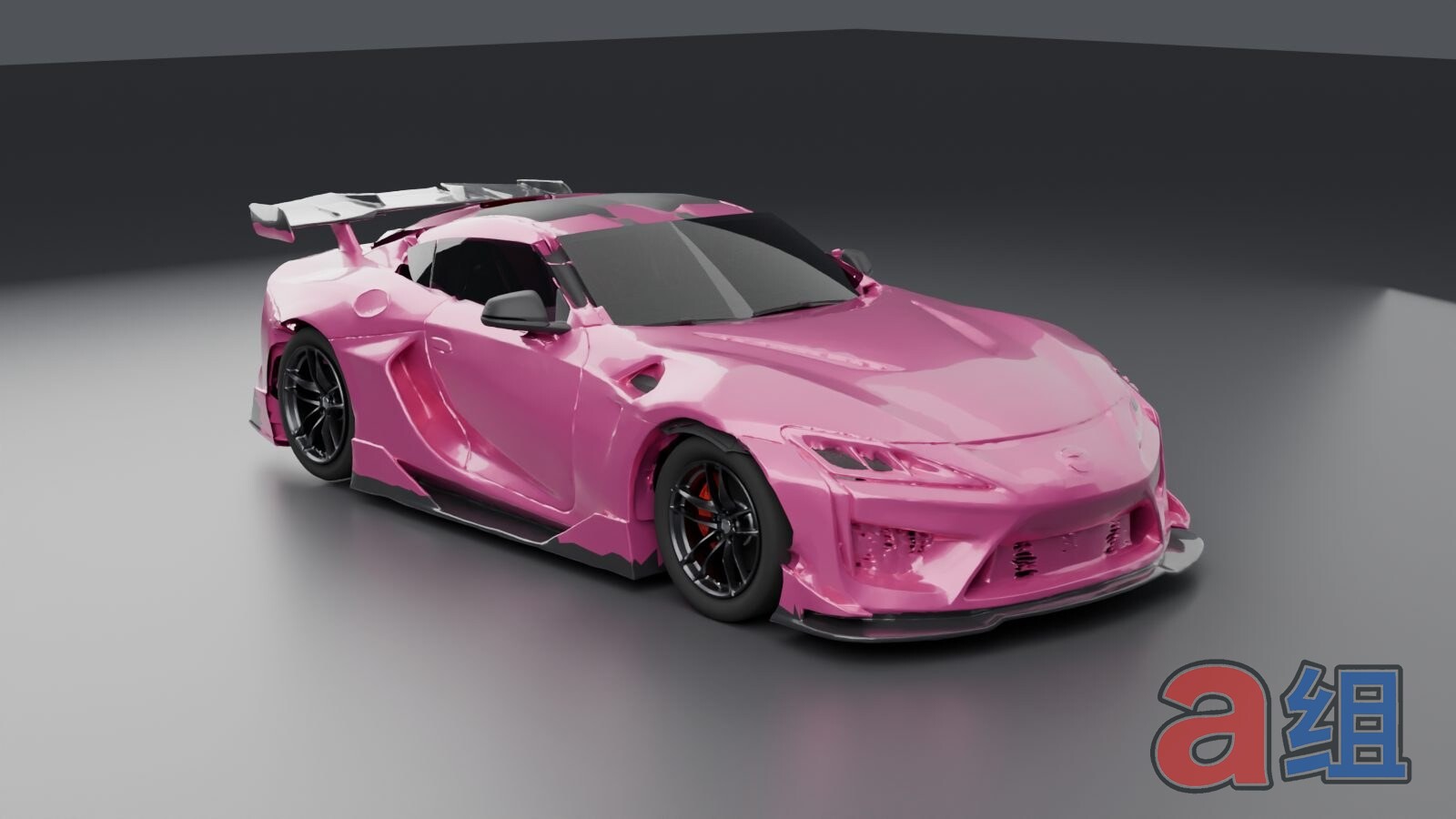
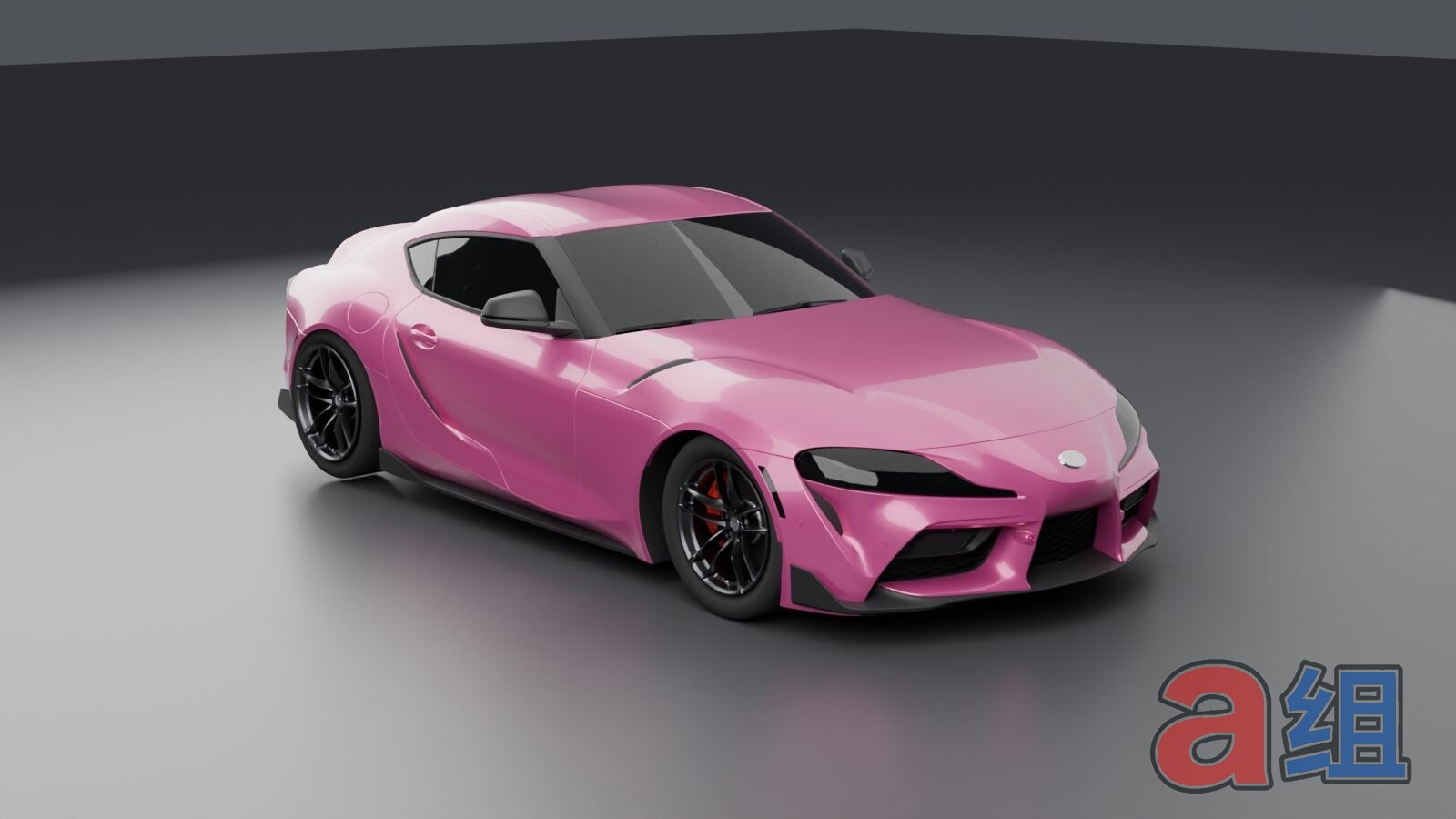
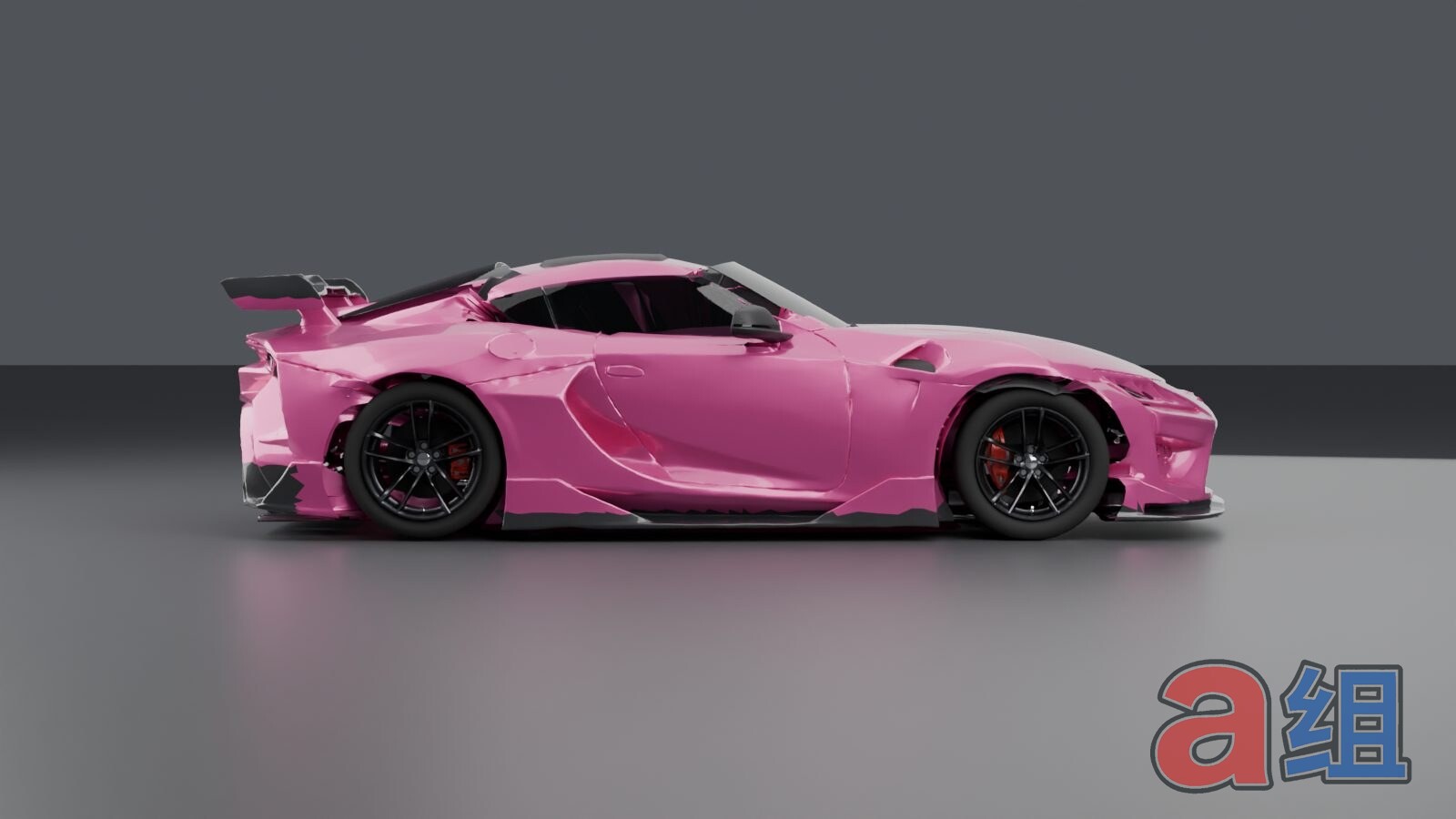
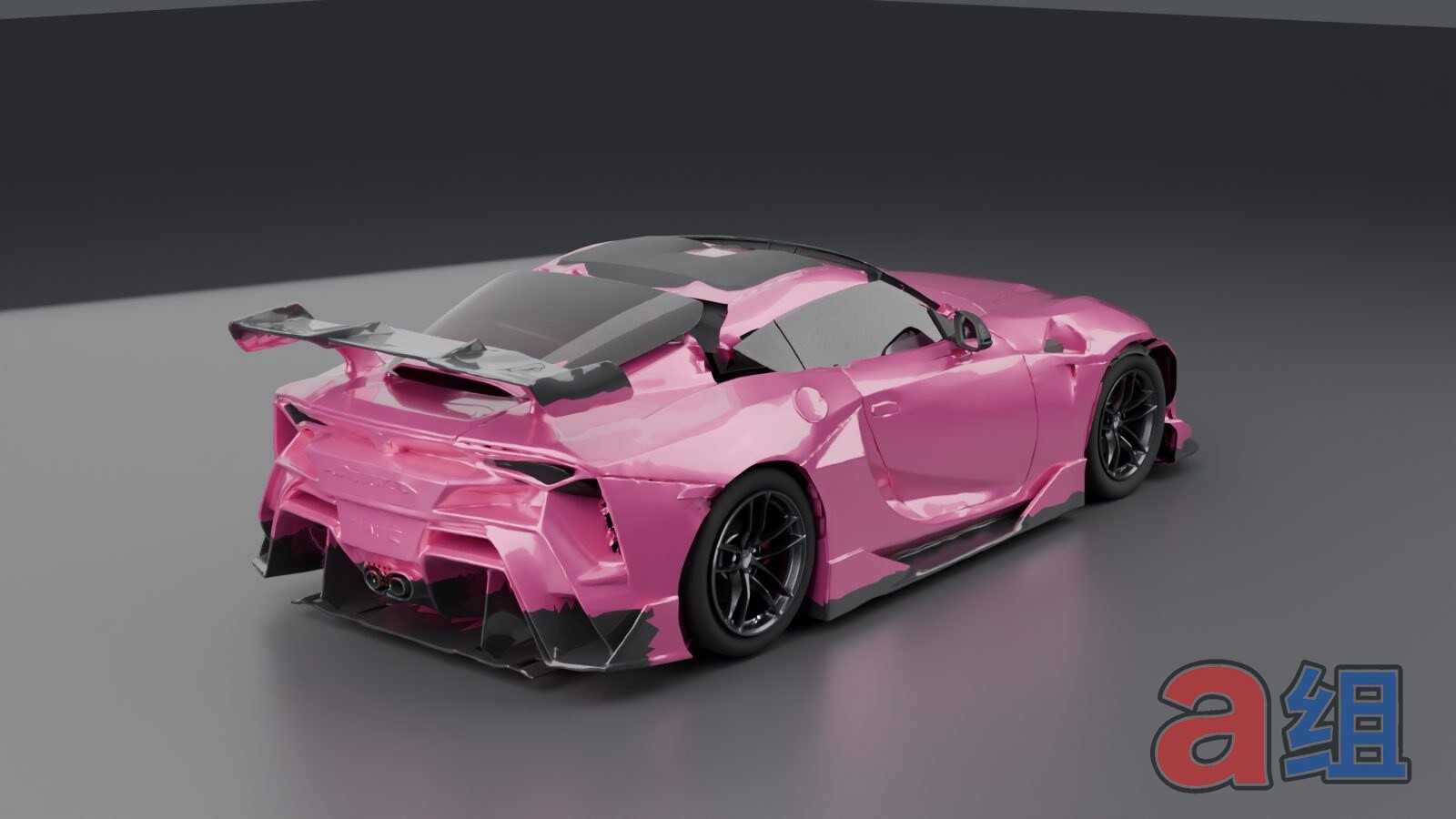
Bolt-on parts alone didn’t capture the look. The concept also changes the front bumper, adds side intakes and has a new rear bumper with open rear arches. So the full widebody now sits on the A90, keeping the Supra’s real wheels, glass, lights and mirrors. Drag to compare it with the stock car.
Virtual wind tunnel
We ran the version with open hood vents through a computer airflow simulation at 100 km/h. The vents sit right where air speeds up over the hood, in strong suction, so they pull hot air out of the engine bay and take some lift off the front. Most of the drag comes from the slow air behind the blunt rear, so that’s where the next round of tuning goes.
- 0.37Drag coefficient (Cd)
- BalancedLift split about evenly front / rear
- 4× suctionAt the hood vents vs. the rest of the hood
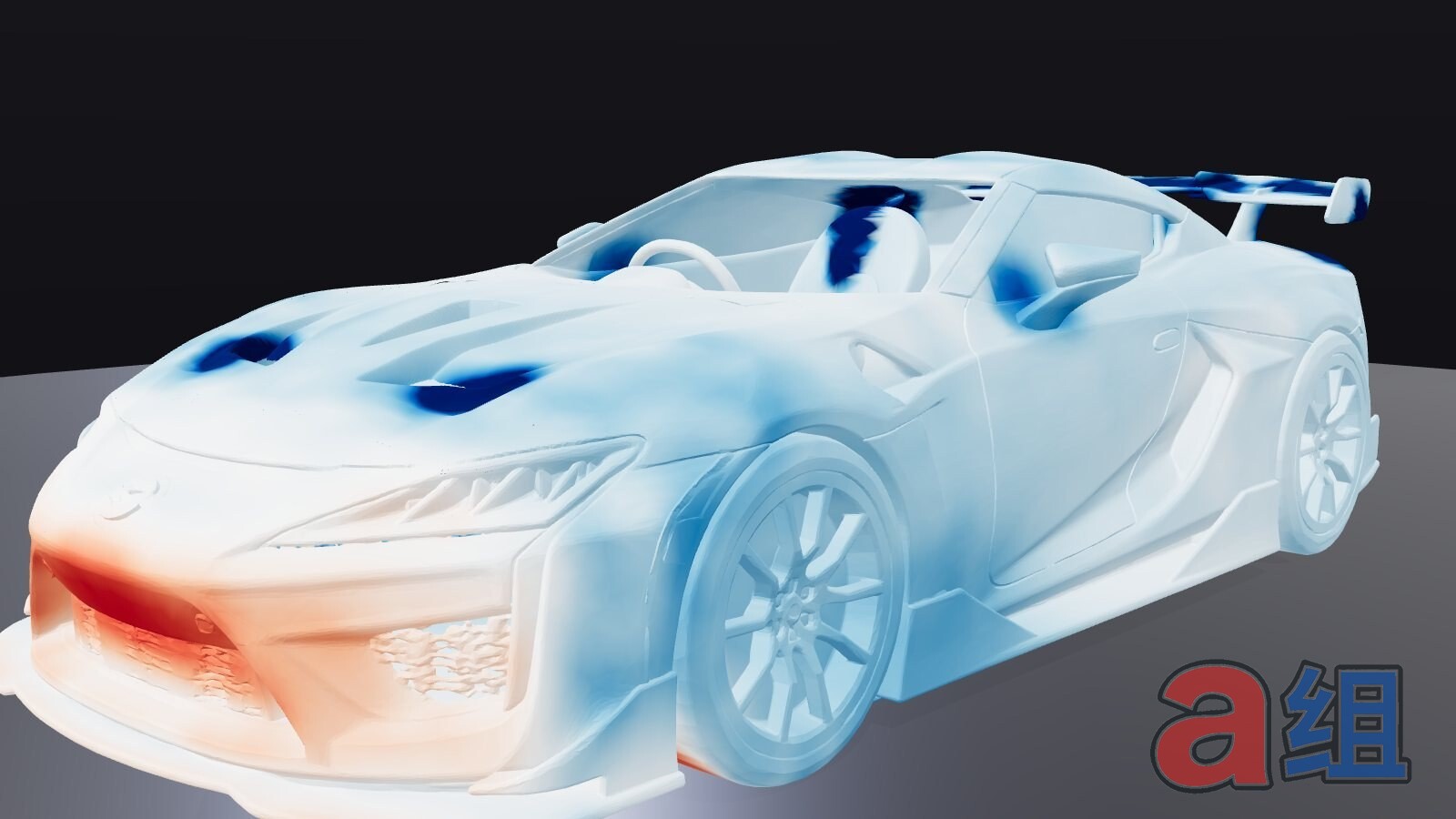
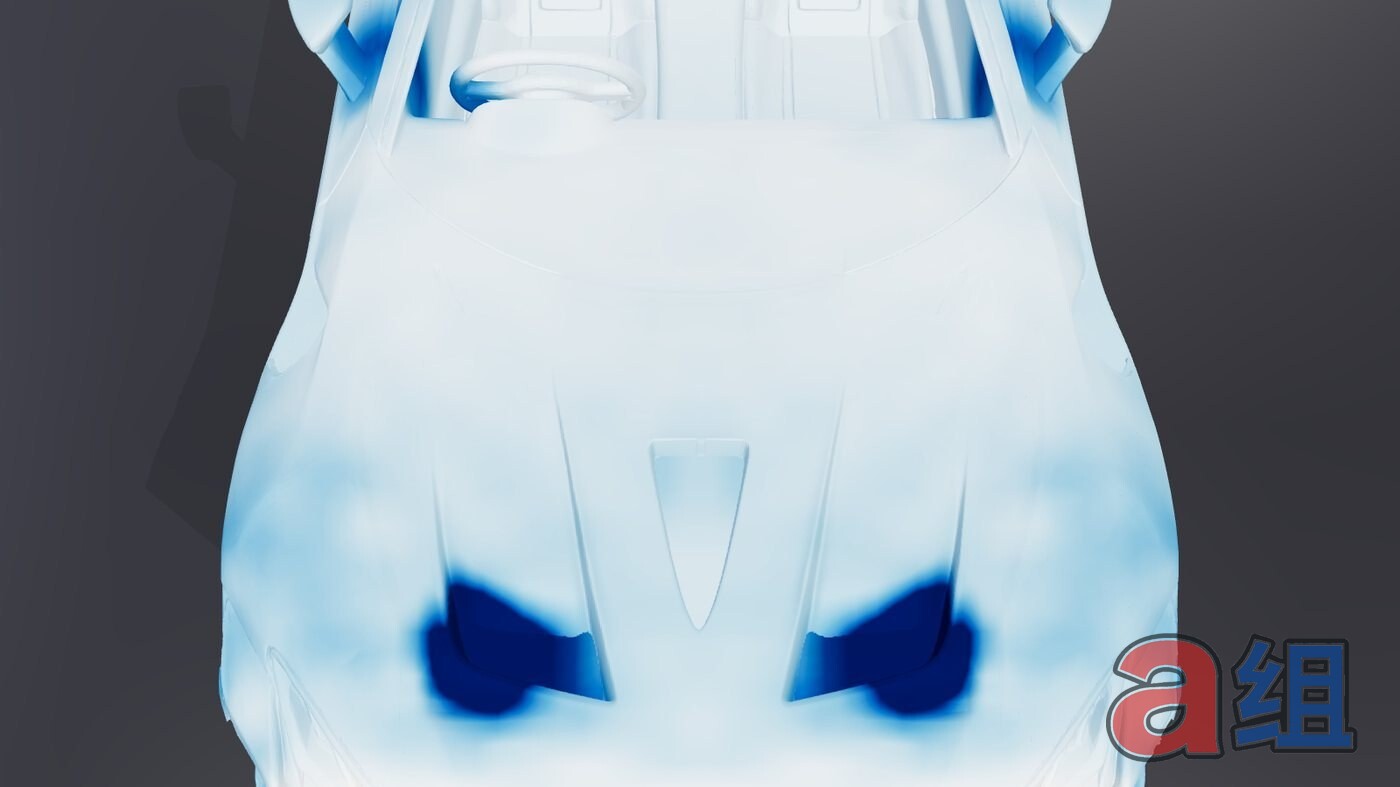
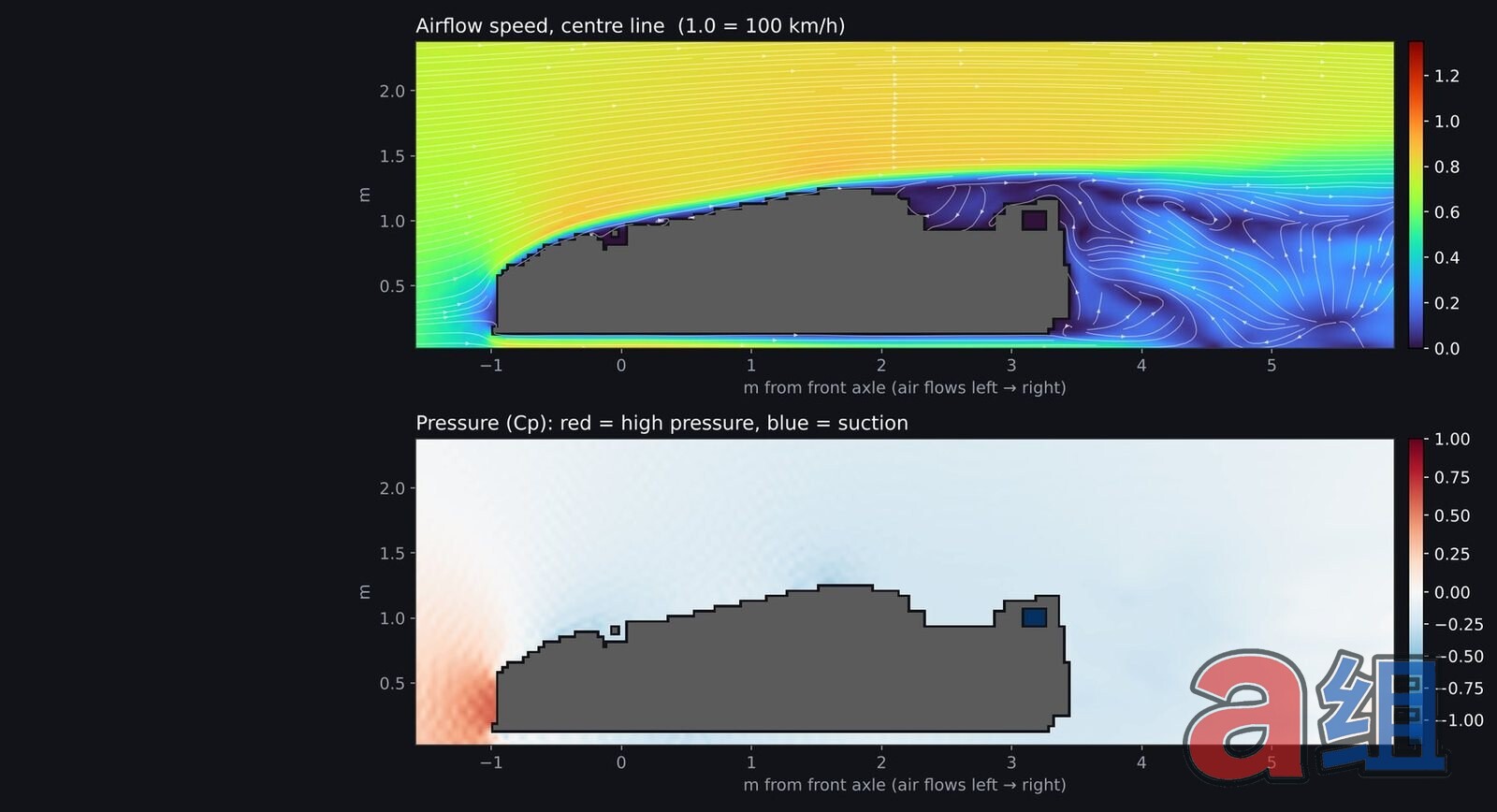
These simulations are for comparing designs and seeing where the air goes. Numbers are rough estimates (about ±20–30%), not track data.
From concept to real parts
The concept is done. Now it becomes real, production-ready parts.
Scan a real A90
We 3D-scan a real car so every panel lines up with the factory mounting points.
Production CAD
Each panel is redrawn as clean surfaces with sharp body lines, using the concept as the guide.
Molds & first parts
Molds, test fit, then first parts. Fiberglass parts are made in-house in Pomona, CA.
Want build updates or first-run pricing?
Call or text the shop and we’ll put you on the list. You can also shop the Supra parts we already make.
Customer service Mon–Fri 10am–3pm PT.